Common Types of Packaging Used by Metal Recyclers
Feb 28, 2025 · Recycling
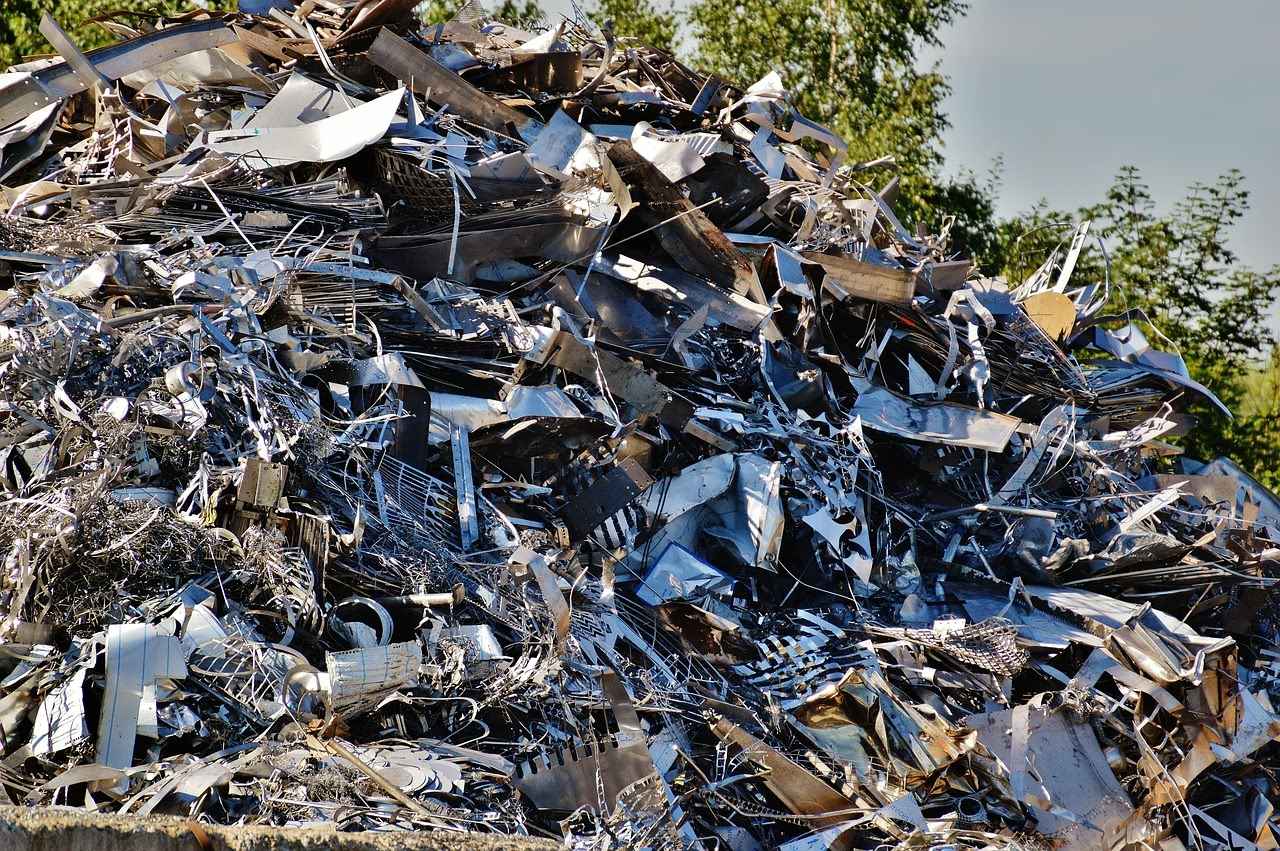
Metal recyclers rely on various types of packaging to efficiently store, transport, and process scrap materials. Proper packaging helps prevent contamination, maximizes space, and ensures the safe handling of different types of metals. Here are the most common types of packaging used in the metal recycling industry.
1. Gaylord Boxes
Gaylord boxes are heavy-duty corrugated cardboard containers commonly used to store and transport smaller metal scraps like shavings, turnings, and non-ferrous metals. These boxes can hold hundreds of pounds of material and fit securely on pallets for easy movement.
Benefits:
- Cost-effective and disposable
- Stackable for efficient storage
- Ideal for lightweight metal scrap
2. Steel and Plastic Drums
Steel and plastic drums are frequently used to contain metal shavings, turnings, and liquids mixed with metal waste. These containers are especially useful for recycling hazardous or oily metal scraps.
Benefits:
- Durable and leak-proof
- Suitable for hazardous waste containment
- Reusable and easy to transport
3. IBC Totes
Intermediate Bulk Containers (IBCs) are sturdy, reusable containers often used to store metal sludge, fine metal particles, or mixed metal solutions. Their rigid structure and large capacity make them a popular choice for recyclers handling liquid-based metal waste.
Benefits:
- High storage capacity
- Secure and reusable
- Designed for easy transport via forklifts
4. Pallets
Wooden and plastic pallets are essential for transporting bulk scrap metal, including bundles of wire, aluminum sheets, and steel bars. Pallets provide a stable base for stacking and help recyclers move materials with forklifts or pallet jacks.
Benefits:
- Standardized for easy handling
- Reusable and recyclable
- Suitable for heavy metal loads
5. Wire Bins and Mesh Containers
Wire bins and metal mesh containers offer a breathable, heavy-duty storage solution for large or irregularly shaped scrap metal pieces. These containers are commonly used for ferrous and non-ferrous metal recycling.
Benefits:
- Strong and durable
- Allows for easy visibility of contents
- Can be stacked for space-saving storage
6. Shrink Wrap and Banding
Shrink wrap and steel or plastic banding help secure bundles of metal sheets, rods, or tubing for safer transportation. These packaging materials prevent shifting and reduce the risk of damage during transit.
Benefits:
- Adds stability during shipping
- Protects materials from contamination
- Lightweight and cost-effective
Conclusion
Choosing the right packaging for metal recycling depends on the type of metal being processed, transportation requirements, and storage needs. Gaylord boxes, steel drums, IBC totes, pallets, wire bins, and banding materials all play crucial roles in ensuring an efficient and organized recycling process. By selecting the most appropriate packaging, metal recyclers can improve efficiency, reduce waste, and maintain workplace safety.